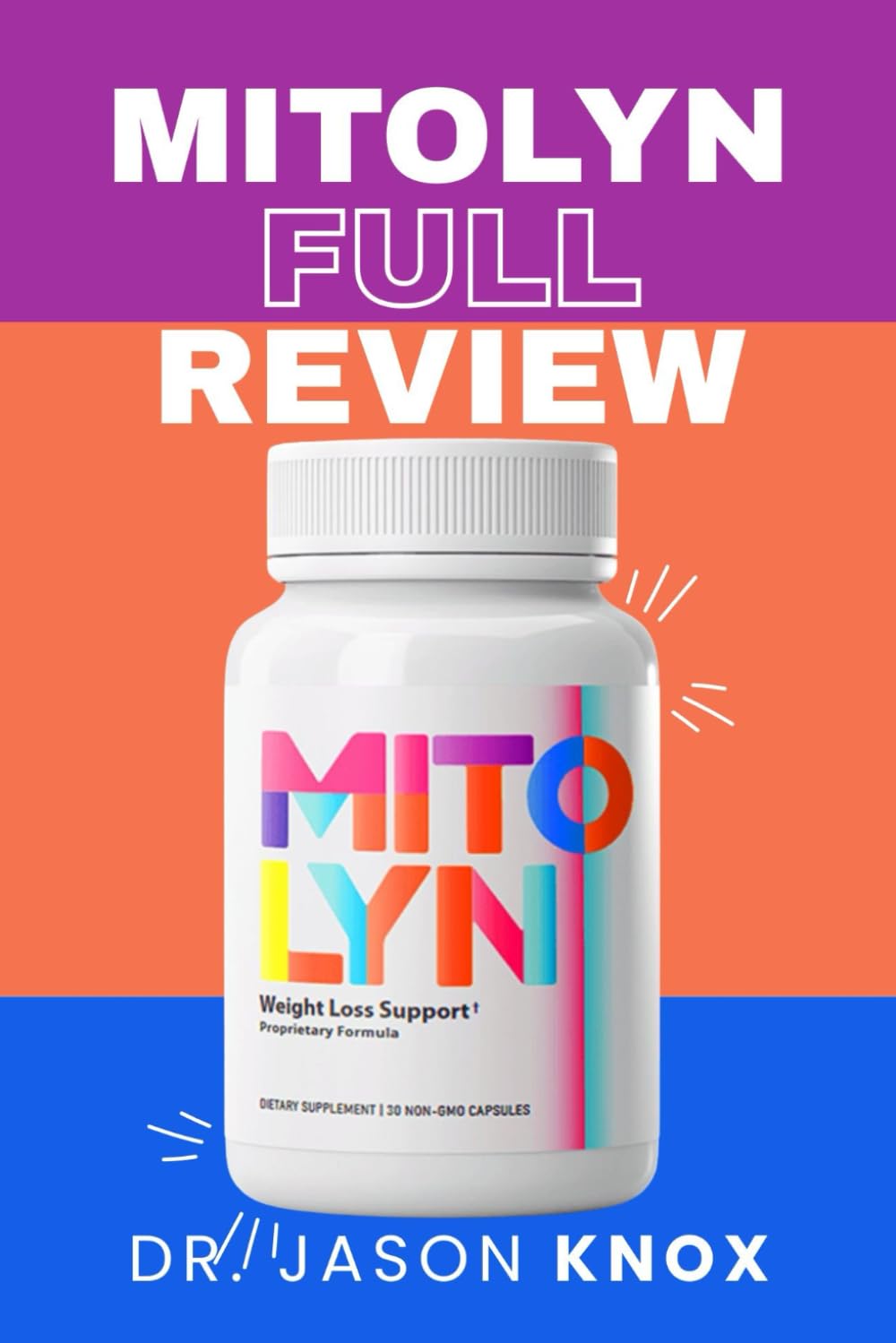
Mitolyn Weight Loss Supplement Review: A Considered Take
A keyword-stuffed vanity publication masquerading as science, this self-published 'review' of a weight loss supplement offers no clinical rigor and plenty of red flags.
Every few months, a new supplement category catches enough search volume that a small industry of promotional content springs up around it. Mitochondrial health is the current frontier — and with it comes a wave of 'review' books, landing pages, and YouTube explainers that borrow the aesthetic of science while delivering the substance of an infomercial. Mitolyn is one of the supplements riding this wave, and the Amazon listing for this so-called review book is a useful case study in how that content ecosystem operates.
The mitochondrial health space is not without legitimate science. Compounds like urolithin A have shown genuine promise in clinical trials for improving mitochondrial biogenesis, with human studies demonstrating measurable effects on muscle function in older adults. PQQ has a smaller but real body of research. CoQ10 has decades of data behind it, particularly in the context of statin use and cardiovascular health. The point is: there is real science here, and it deserves real treatment. What it does not deserve is to be co-opted by promotional content that uses the word 'mitochondria' as a trust signal while offering no mechanistic detail.
When evaluating any wellness supplement book — or any supplement claim, for that matter — I apply a simple filter: does this content tell me what is in the product, at what dose, compared to what the research suggests is an effective dose, with what known limitations? If the answer is no, the content is not reviewing a supplement. It is selling one. Titles that lead with 'revolutionary' and 'success stories' fail this filter immediately. The language of clinical science is cautious, qualified, and specific. The language of supplement marketing is superlative and anecdotal.
The broader issue is one of information quality in a search environment where promotional content is increasingly indistinguishable from editorial content. When someone searches 'mitolyn reviews' — as this listing is explicitly optimized to capture — they are looking for honest, independent analysis. What they may find instead is a self-published document designed to appear credible while moving them toward a purchase. That gap between what people need and what the algorithm surfaces is exactly the problem that sites like this one exist to address.
If you are genuinely interested in mitochondrial health and whether supplements in this category are worth your money, I would point you toward published systematic reviews on urolithin A and CoQ10, toward registered dietitians who specialize in metabolic health, and toward the understanding that no supplement — revolutionary or otherwise — will outperform consistent sleep, resistance training, and a diet rich in polyphenols. The science on mitochondrial function is genuinely fascinating. It just does not live in a keyword-optimized Amazon paperback.