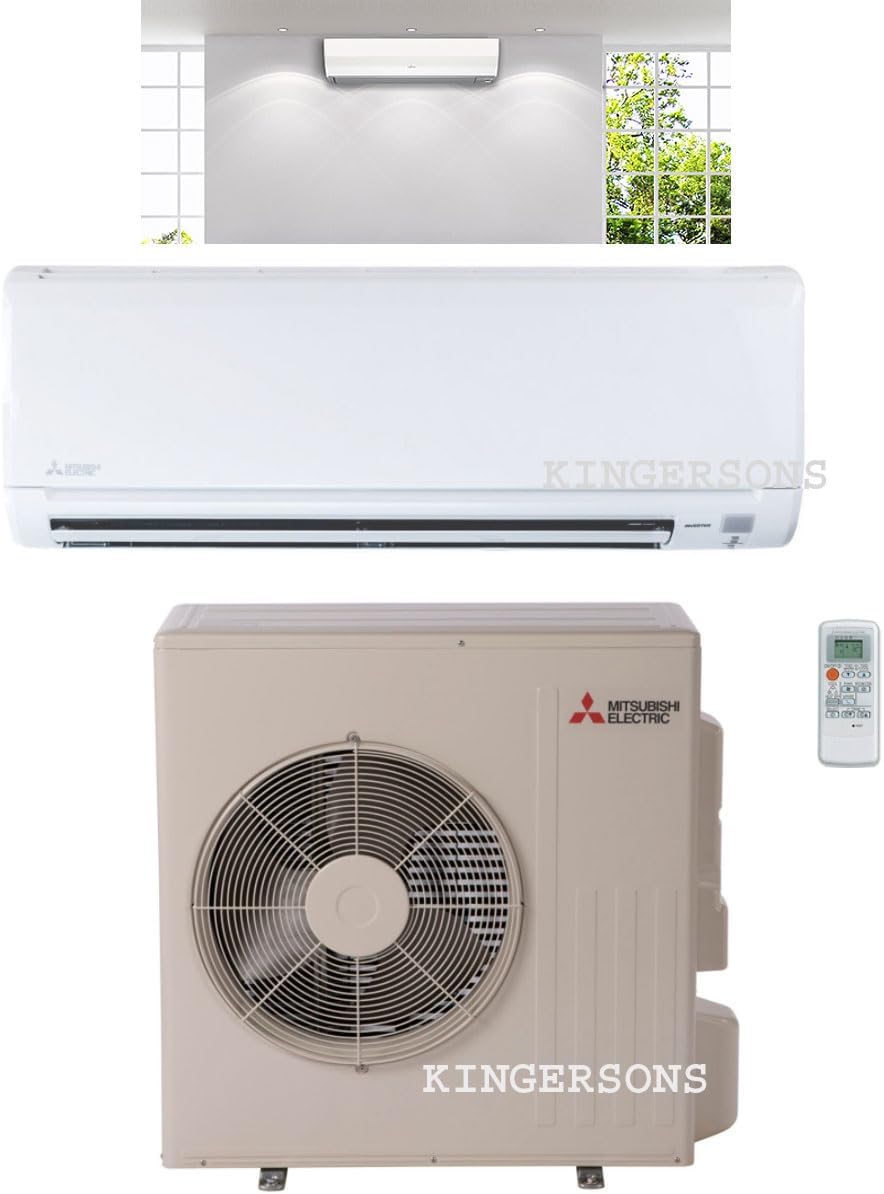
Mitsubishi 9,000 BTU SEER 16 Mini-Split System: A Considered Take
Mitsubishi's reputation carries real weight here — quiet, efficient, and built to last — but SEER 16 and the Amazon buying experience leave enough questions that you'll want to think twice before clicking add to cart.
When people ask me what separates a good listening room from a great one, I tell them it's not always the gear — it's the environment. Temperature, humidity, background noise. You'd be surprised how much a rattling window AC unit or a cycling compressor pulls your attention away from the music. That's partly why I started paying closer attention to mini-split systems, and why the Mitsubishi name keeps coming up in conversations that have nothing to do with HVAC.
The Mitsubishi mini-split has become something of a reference standard in the ductless category, the way certain headphone amplifiers become the benchmark everything else gets measured against. The brand's inverter technology is the key differentiator — it's not just marketing language. A true inverter compressor adjusts its speed in real time rather than slamming on and off, which means quieter operation, steadier temperatures, and lower energy draw during the long middle stretch of a cooling cycle. For anyone sensitive to ambient noise — and if you're reading this site, you probably are — that matters more than you might think.
The 9,000 BTU SEER 16 unit we looked at sits at the entry point of Mitsubishi's wall-mount lineup. Think of it like buying the base model from a manufacturer whose base model is still better than most competitors' mid-tier offerings. The bones are good. But the SEER 16 rating is worth scrutinizing — Mitsubishi's own higher-efficiency models exist at similar price points, and over a 10-year lifespan in a warm climate, the efficiency gap between SEER 16 and SEER 20+ is real money.
One thing that doesn't get discussed enough in mini-split conversations is the total cost of ownership beyond the unit price. Installation by a certified technician runs anywhere from $800 to $2,000 depending on your market and the complexity of the line set run. Refrigerant handling requires an EPA 608 certification. And if you buy through Amazon rather than an authorized HVAC distributor, you may find yourself navigating warranty gray areas that a local dealer relationship would have avoided entirely. Do that homework before the unit ships.
For the right buyer — someone with a qualified installer lined up, a specific room to condition, and a realistic budget that accounts for total installed cost — a Mitsubishi mini-split at this size is a genuinely capable system. It will run quietly in the background, hold temperature with precision, and outlast most of the alternatives. Just make sure you're buying the right version for your efficiency goals, and don't let the Amazon convenience factor shortcut the due diligence that a major home system purchase deserves.