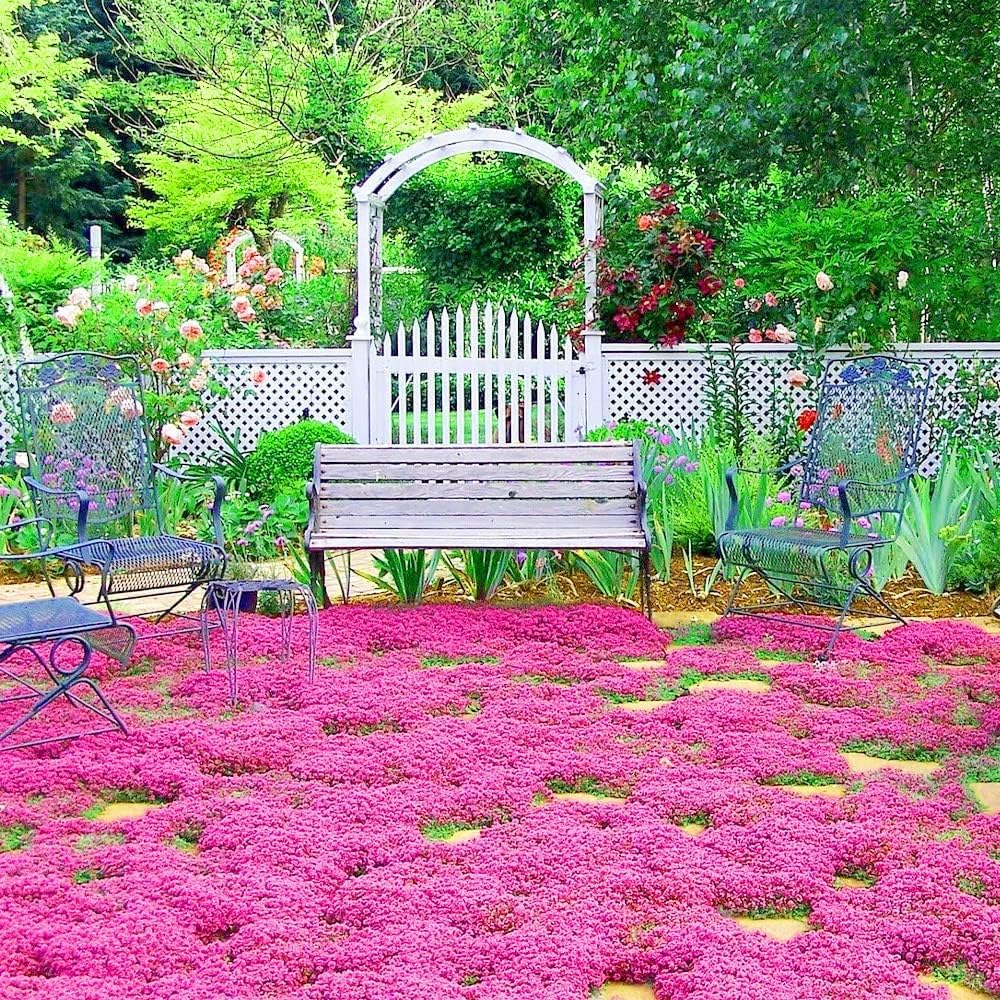
Milamend Red Creeping Thyme Seeds (20,000+): A Considered Take
A generous packet of red creeping thyme seed that offers real promise as a ground cover, though germination consistency and sourcing transparency leave some questions worth sitting with before you sow.
Red creeping thyme is one of those plants I keep coming back to, not because it's flashy, but because it does quiet, reliable work. It spreads low across dry soil, tolerates a hard summer, and comes back in spring without much fuss. If you have a slope that fights you every time you try to establish grass, or a gravel path that needs softening, creeping thyme is worth learning to grow well.
The challenge with buying thyme from seed — especially in bulk packets from online sellers — is that the category is crowded and the labeling is often vague. 'Red creeping thyme' can mean several things depending on the cultivar, and most budget seed packets don't specify. What you're really buying is a general type, and the results will vary based on your soil, your climate, and how carefully you prep the bed. That's not a reason to avoid seed-starting, but it is a reason to go in with your eyes open.
For ground cover projects, I've found that surface sowing works better than burying these seeds. Press them lightly into raked, firm soil and keep the area consistently moist for the first three weeks. In my experience, the seeds that fail usually do so because they dried out in that early window, not because they were bad seeds. A light layer of fine vermiculite over the top can help hold moisture without blocking light, which thyme seeds need to germinate.
Once you have a patch established, the maintenance calendar is refreshingly simple. A light trim after the main bloom in early summer keeps the mat tidy and often encourages a second flush of flowers. In fall, I leave it alone entirely — the dried stems protect the crown through frost. By the time March arrives and the ground starts to warm, new growth appears from the base without any intervention from me. That kind of self-sufficiency is what I look for in a perennial ground cover.
If you're searching for red creeping thyme and weighing seed packets against nursery starts, the honest answer is that starts give you a more predictable first season, but seed gives you scale at a fraction of the cost. For a large area — a hillside, a meadow edge, a long path border — seed is the only practical route. Budget packets like this one can work, but plan for a full growing season before you judge the results. The plants that make it through year one tend to be there for the long run.